Beyond Willpower: The Psychological Blueprint for Lasting Fitness Motivation
Every year, millions of people embark on new fitness journeys with intense enthusiasm. They purchase new athletic apparel, design rigorous training schedules, and set ambitious physical goals. Yet, within a matter of weeks, the initial wave of excitement inevitably fades. Alarm clocks get snoozed, evening workouts are postponed, and the once-promising momentum grinds to a halt.
Relying solely on short-term excitement or raw willpower is the most common reason people struggle to stay consistent. Willpower is a temporary cognitive resource; it fluctuates based on sleep quality, work stress, emotional strain, and daily decision fatigue. When you rely exclusively on “feeling motivated” to exercise, your physical progress becomes hostage to your mood.
To build a lifelong fitness habit, you must shift your mental framework from relying on fleeting emotional spikes to establishing a sustainable, psychological system. Understanding how motivation operates allows you to engineer an environment where showing up becomes an automatic baseline.

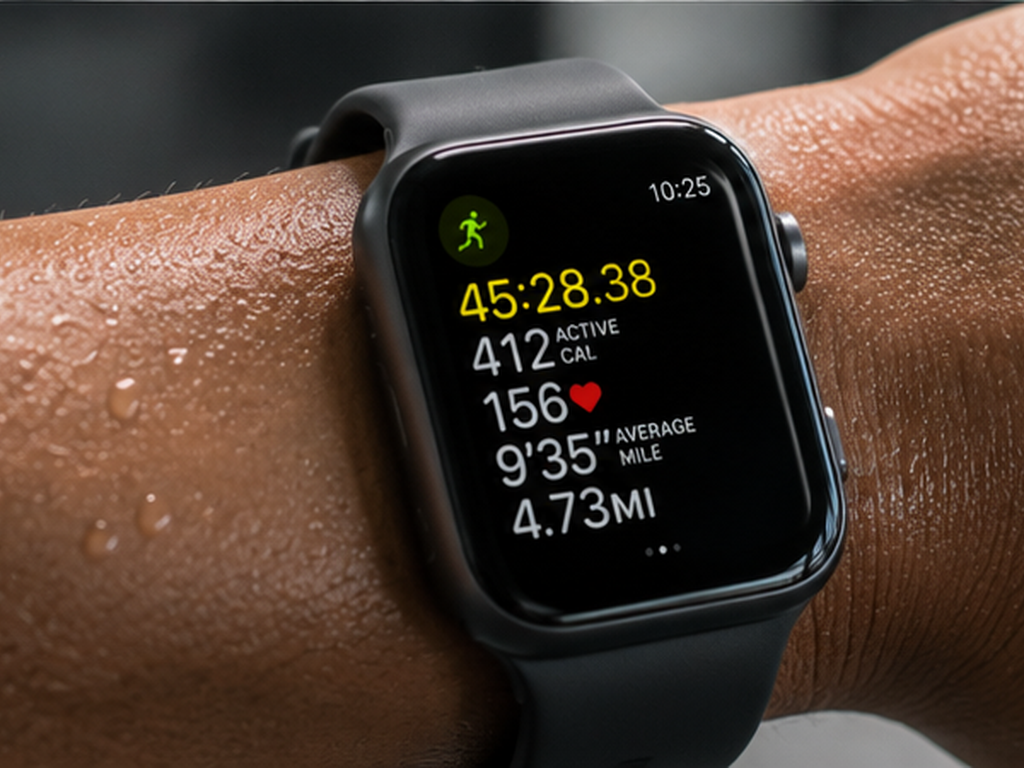
Intrinsic vs. Extrinsic Motivation: Building the Foundation
Psychological research divides human motivation into two primary forms: extrinsic and intrinsic.
- Extrinsic Motivation: Driven by external outcomes, such as losing ten pounds for an upcoming vacation, gaining approval from others, or chasing a specific aesthetic standard. While useful for starting a routine, extrinsic motivators rarely sustain long-term adherence because once the external goal is achieved—or if progress stalls—the incentive to train disappears.
- Intrinsic Motivation: Driven by internal fulfillment, such as enjoying the physical challenge, feeling energized throughout the workday, managing stress, or mastering a new movement skill.
When your primary reason to exercise shifts from changing how you look to enhancing how you function and feel, working out ceases to feel like a daily punishment. It becomes an essential act of self-care.
The Neuroscience of Habit Loops
To make exercise a permanent part of your lifestyle, you must transition physical activity from a conscious decision into a frictionless habit. In behavioral psychology, habits are built through a three-part mechanism known as the Habit Loop:
- The Cue: A trigger that initiates the behavior (e.g., placing your workout clothes next to your bed the night before).
- The Routine: The execution of the exercise session itself.
- The Reward: The neurochemical payoff following completion (e.g., the endorphin surge, a refreshing shower, or a sense of accomplishment).
By keeping the friction low at the cue stage—such as scheduling your workout at the exact same hour every day—you remove the mental debate of whether or not you feel like training.
Strategies to Maintain Consistency When Motivation Drops
When your enthusiasm naturally wanes, relying on structured behavioral strategies keeps you moving forward without friction.
1. The Rule of Reduced Expectations
On days when exhaustion or mental burnout strikes, lower the barrier to entry drastically. Tell yourself you will complete just ten minutes of light movement—whether that means dynamic mobility work, a light incline walk, or a single warm-up set.
Lowering the hurdle eliminates the mental anxiety of an intense 60-minute session. In most cases, once you overcome the inertia of starting, your energy improves and you complete the planned workout. Even if you stop after ten minutes, you reinforce the behavioral identity of someone who shows up.
2. Implement Implementation Intentions
Ambiguous goals lead to indecision. Vague statements like “I will try to exercise more this week” usually fail. Instead, use explicit planning formulas known as Implementation Intentions:
Formula: I will execute [EXERCISE] at [TIME] in [LOCATION].
- Example: “I will perform a 45-minute strength training workout at 7:00 AM in the garage gym on Monday, Wednesday, and Friday.”
Eliminating decision-making in the moment drastically increases the likelihood of execution.
| Strategy | Traditional Mindset | Habit-Engineered Mindset |
|---|---|---|
| Goal Setting | “I want to get fit fast.” | “I will build a routine I can sustain for 5 years.” |
| Daily Cue | Deciding to workout after work. | Packing the gym bag the night before and placing it in the car. |
| Response to Low Energy | Skipping the workout entirely. | Executing a modified 15-minute mobility or light cardio session. |
| Progress Metric | Daily scale weight fluctuations. | Weekly consistency score and strength progression markers. |
Overcoming Training Plateaus and Mental Fatigue
Progress in fitness is rarely linear. You will encounter weeks where weights feel heavier, scale progress halts, or fatigue accumulates. Recognizing these phases as normal adaptation periods prevents emotional frustration.
- Track Non-Scale Victories: Shift your focus toward performance metrics. Are you resting less between sets? Is your heart rate recovering faster? Are daily chores feeling physically easier? Tracking these subtle gains provides continuous positive feedback.
- Periodize Your Training: Pushing at 100% intensity year-round leads to central nervous system fatigue and overtraining. Integrate planned deload weeks every 6 to 8 weeks, dropping training volume by 40% to allow joints, tendons, and muscle tissue to fully repair.
- Vary Stimulus Thoughtfully: While changing your entire program every week hinders progress, making minor variations in exercise selection, rep ranges, or equipment keeps sessions mentally engaging without sacrificing structured adaptation.
Building an Environment That Supports Your Goals
Motivation is heavily influenced by your surroundings and social community. Surrounding yourself with training partners, joining structured group classes, or sharing your goals with supportive peers creates mutual accountability.
When your immediate environment supports health-conscious choices, staying consistent requires significantly less mental effort. Fitness ceases to be a short-term project with a deadline—it transforms into an enjoyable, lifelong foundation for health, strength, and resilience.
#ad