The Recovery Blueprint: Optimizing Sleep, Stress Management, and Active Rest for Long-Term Athletic Longevity
Athletic performance is not solely about training hard; it also significantly relies on recovery. For athletes at any level, understanding the importance of sleep, stress management, and active rest is crucial for long-term longevity in the sport. This article explores a recovery blueprint that can enhance your performance and well-being.
Understanding the Need for Recovery

The training process can be grueling, often leading to physical and mental fatigue. Recovery allows the body to repair and strengthen itself. Without adequate recovery, athletes risk overtraining, which can lead to decreased performance, injuries, and burnout.
Key Components of Recovery
- Sleep
- Stress Management
- Active Rest
Let’s dive deeper into each of these components.
Sleep: The Foundation of Recovery
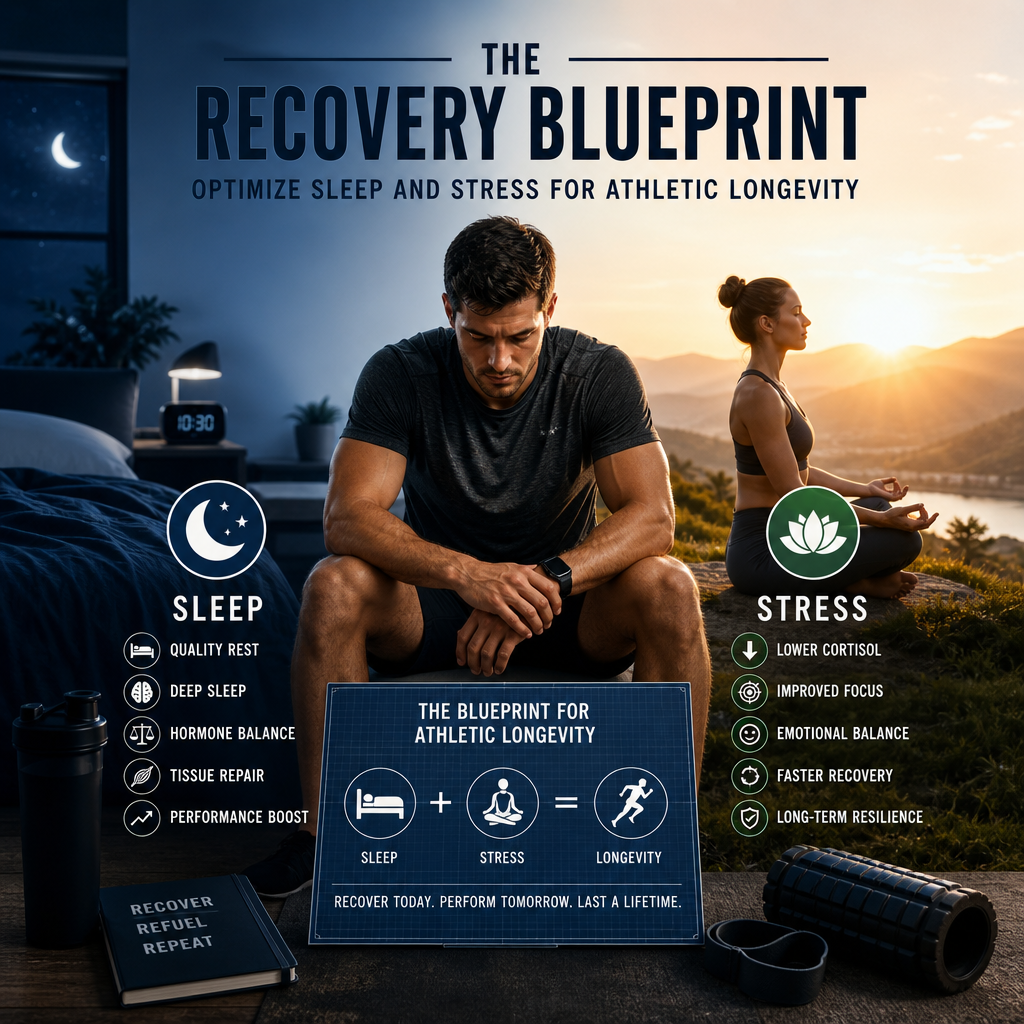
Sleep is often the most overlooked aspect of an athlete’s recovery routine. Quality sleep is essential for muscle repair, hormone regulation, and cognitive function.
Why Sleep Matters
- Muscle Recovery: During deep sleep, the body releases growth hormone, promoting muscle repair and growth.
- Mental Resilience: Adequate sleep supports cognitive functions, enhancing decision-making and focus during performance.
- Overall Health: Regular poor sleep can weaken the immune system, putting athletes at risk of illness.
Tips for Optimizing Sleep
- Create a Routine: Go to bed and wake up at the same time each day to regulate your body’s internal clock.
- Limit Screen Time: Avoid electronics at least an hour before bed to improve sleep quality.
- Sleep Environment: Ensure that your sleeping area is dark, quiet, and cool.
Stress Management: The Silent Killer
Stress can drastically affect athletic performance. High levels of stress can lead to fatigue, anxiety, and a decrease in overall happiness. Managing stress is paramount for athletes looking to sustain their passion for their sport.
Techniques for Effective Stress Management
- Mindfulness and Meditation: Practicing mindfulness helps in focusing on the present, reducing feelings of stress.
- Breathing Exercises: Deep breathing can activate the parasympathetic nervous system, promoting relaxation.
- Limit Overcommitment: Learn to say no to non-essential commitments that can contribute to stress.
Active Rest: Staying Engaged While Recovering
Active rest is an approach that balances physical activity with recovery. It keeps the body engaged without putting it under extreme stress.
Benefits of Active Rest
- Improves Circulation: Light activities boost blood flow, aiding in recovery by delivering nutrients to muscles and removing waste products.
- Enhances Flexibility: Gentle activities can improve flexibility and reduce muscle stiffness.
- Mental Break: Engaging in low-intensity activities can refresh the mind and maintain motivation.
Ideas for Active Rest
- Walking: A simple task that can be done anywhere and is great for keeping the body moving.
- Yoga: Incorporates gentle stretching and breathing, promoting relaxation and flexibility.
- Swimming: An excellent low-impact activity that can be both invigorating and restorative.
Putting the Recovery Blueprint into Action
To achieve long-term athletic longevity, incorporate the three components of your recovery blueprint into your weekly routine.
Sample Weekly Recovery Plan
-
Daily:
- Aim for 7-9 hours of quality sleep.
- Practice mindfulness or deep breathing exercises for 10 minutes.
-
Weekly:
- Include 1-2 active rest days with activities like walking or yoga.
- Evaluate stress levels and adjust your commitments accordingly.
Conclusion
Athletes often focus heavily on training but neglect the equally important aspects of recovery. By optimizing sleep, effectively managing stress, and incorporating active rest, you can create a sustainable model for long-term athletic longevity. Remember, recovery is not a luxury; it is a necessity for anyone serious about their athletic journey. Embrace this recovery blueprint to unlock your true potential and stay in the game longer.
#ad