# How to Fix Your Sleep Schedule: 7 Proven Tips for Deep Recovery
Getting a good night's sleep is essential for overall health and well-being. However, many of us struggle with inconsistent sleep patterns, leading to fatigue and decreased productivity. If you're wondering how to fix your sleep schedule, the following tips will guide you towards achieving deep recovery every night.
1. Set a Consistent Sleep Schedule
#ad

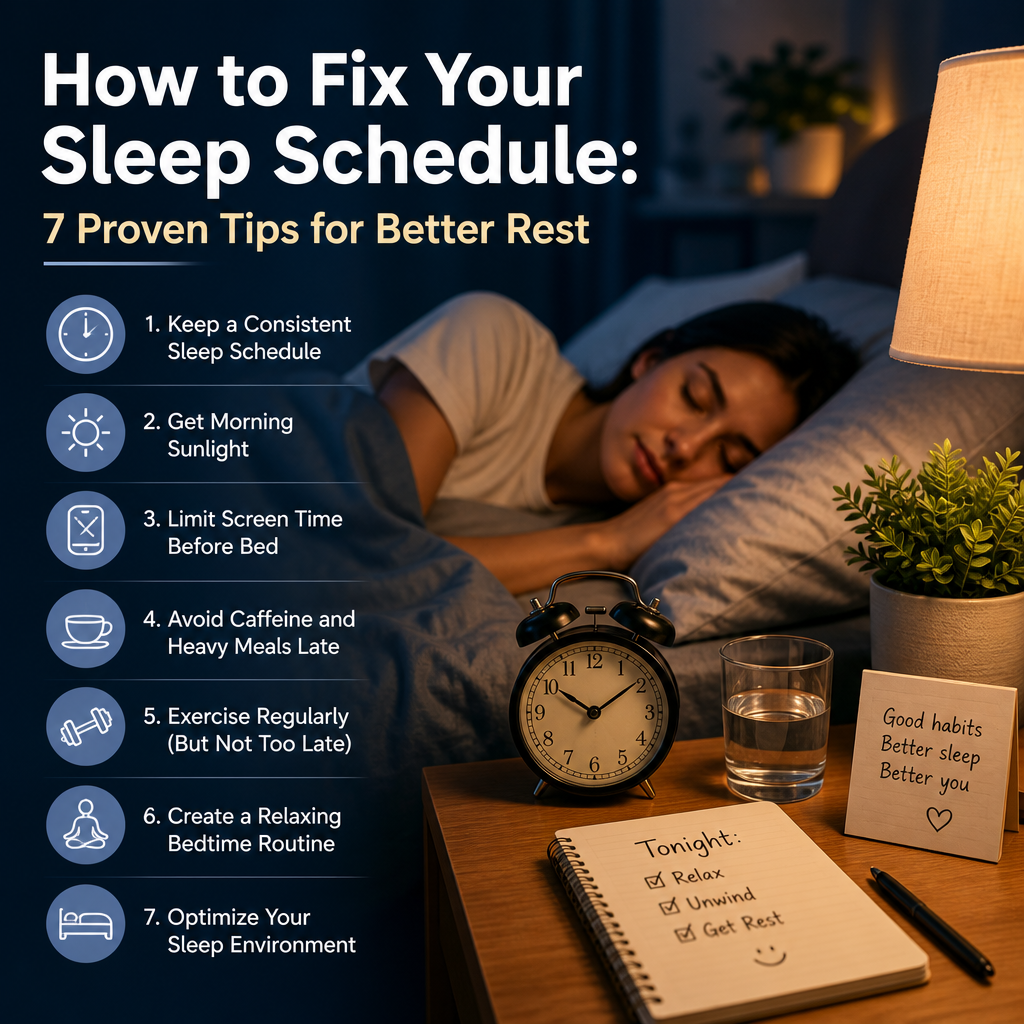 One of the most effective ways to improve your sleep quality is to go to bed and wake up at the same time every day, even on weekends. This consistency helps regulate your body's internal clock, making it easier to fall asleep and wake up feeling refreshed.
Tips for Consistency:
- Choose a bedtime that allows for 7-9 hours of sleep.
- Set a gentle alarm for both bedtime and wake-up time.
- Stick to it even on weekends to avoid sleep debt.
2. Create a Bedtime Routine
A relaxing pre-sleep routine signals your body that it's time to wind down. This can be as simple as reading a book, practicing meditation, or performing gentle stretches.
Suggested Routine Activities:
- Dim the lights an hour before bed.
- Avoid screens from televisions, smartphones, and computers.
- Try deep breathing or mindfulness exercises.
3. Optimize Your Sleep Environment
Your bedroom should be a sanctuary for sleep. Environmental factors like light, noise, and temperature can significantly impact your ability to fall asleep and stay asleep.
Ideal Sleep Environment:
- Keep it dark: Use blackout curtains.
- Control the temperature: Aim for a cool, comfortable setting (around 60-67°F or 15-19°C).
- Minimize noise: Consider white noise machines or earplugs.
4. Be Mindful of Food and Drink
What you consume can significantly affect your sleep quality. Certain foods and drinks can disrupt your sleep or make it harder to fall asleep.
Foods and Beverages to Avoid:
- Caffeine: Avoid coffee or caffeinated beverages in the afternoon and evening.
- Heavy meals: Try not to eat large meals close to bedtime.
- Alcohol: While it may make you feel sleepy, alcohol can disrupt your sleep cycle later in the night.
5. Get Regular Physical Activity
Engaging in regular exercise can greatly enhance your sleep quality. Physical activity helps you fall asleep faster and enjoy deeper sleep.
Exercise Recommendations:
- Aim for 150 minutes of moderate aerobic activity each week.
- Time your workouts wisely: Avoid intense exercise within a few hours of bedtime.
- Consider relaxation exercises like yoga or stretching in the evening.
6. Limit Naps
While napping can be rejuvenating, long or irregular napping during the day can negatively impact your nighttime sleep quality.
Nap Guidelines:
- Keep naps short: Aim for 20-30 minutes.
- Nap early: Try to nap in the morning or early afternoon.
- Avoid naps if they interfere with your nighttime sleep schedule.
7. Seek Natural Light Exposure
Natural light plays a crucial role in regulating your sleep-wake cycle. Exposure to sunlight during the day can help to keep your circadian rhythm in check.
Light Exposure Tips:
- Spend time outside: Aim for 20-30 minutes of sunlight exposure, especially in the morning.
- Keep your environment bright during the day.
- Reduce light exposure in the evening to prepare your body for sleep.
Conclusion
Now that you know how to fix your sleep schedule with these seven proven tips, it's time to put them into practice. Consistency is key, so be patient with yourself as you adjust to a new routine. With dedication, you can enjoy the deep recovery that comes with a good night’s sleep, allowing you to live your life more vibrantly and energetically.
#ad